
Exploring the differences between injection molded and roto molded cases by SKB
Protective cases play a crucial role in safeguarding valuable equipment during transportation. Two popular manufacturing methods employed in creating these cases are injection molding and roto molding. SKB offers both injection molded and roto molded cases, each with its unique features and benefits. In this article, we will delve into the distinctions between these two methods and focusing on the benefits of each variant.
SKB’s injection molded cases are renowned for their strength-to-weight ratio. Utilizing standardized molds for various sizes, the material in our injection molded case shells is 100% virgin, no-break, polypropylene co-polymer. The outcome is a lightweight case with even corners, single-wall construction, and notable toughness. Equipped with features like plastic catches, air valves and gaskets, these cases hold military certifications, ensuring resilience in challenging conditions.
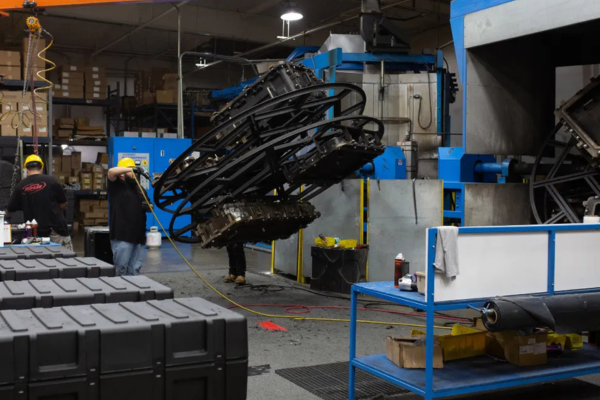
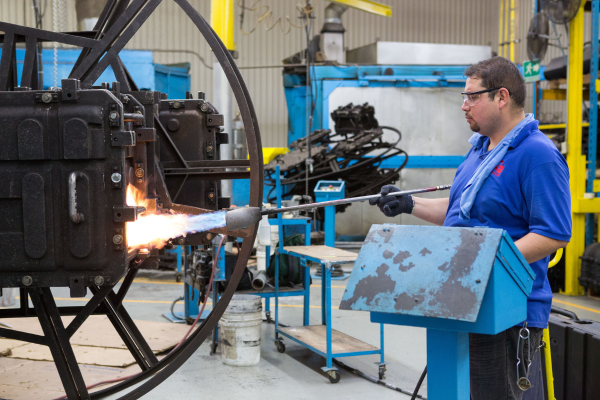
On the other hand, SKB’s roto molded cases are celebrated for their enhanced toughness, making them preferable in scenarios requiring extra strength. Roto molding, or rotational molding, involves a process where a hollow mold is filled with plastic material, resulting in a double-wall construction in the corners. This design boosts durability, but at the cost of increased weight compared to injection molded cases. SKB’s roto molded cases, often customized, boast military-grade hardware, including optional different accessoires.
- Strength and weight: injection molded cases offer robustness with reduced weight, catering to diverse applications.
- Enhanced toughness: roto molded cases provide additional strength, especially in corners, prioritizing durability in challenging circumstances.
- Customization: SKB’s roto molded cases are often tailor-made to meet specific customer needs, allowing for personalized solutions such as extra humidity valve or different locks.
- Production time: injection molding’s high-pressure process leads to faster production, while roto molding, involving mold rotation, may take longer.